Why the Listing Photos Are Lying to You (Just a Little), and Why It Matters
Wide-angle lenses and staging make listing photos flatter (or hide) a home's real feel. Here's why an in-person or live tour should always come before you fall in love.
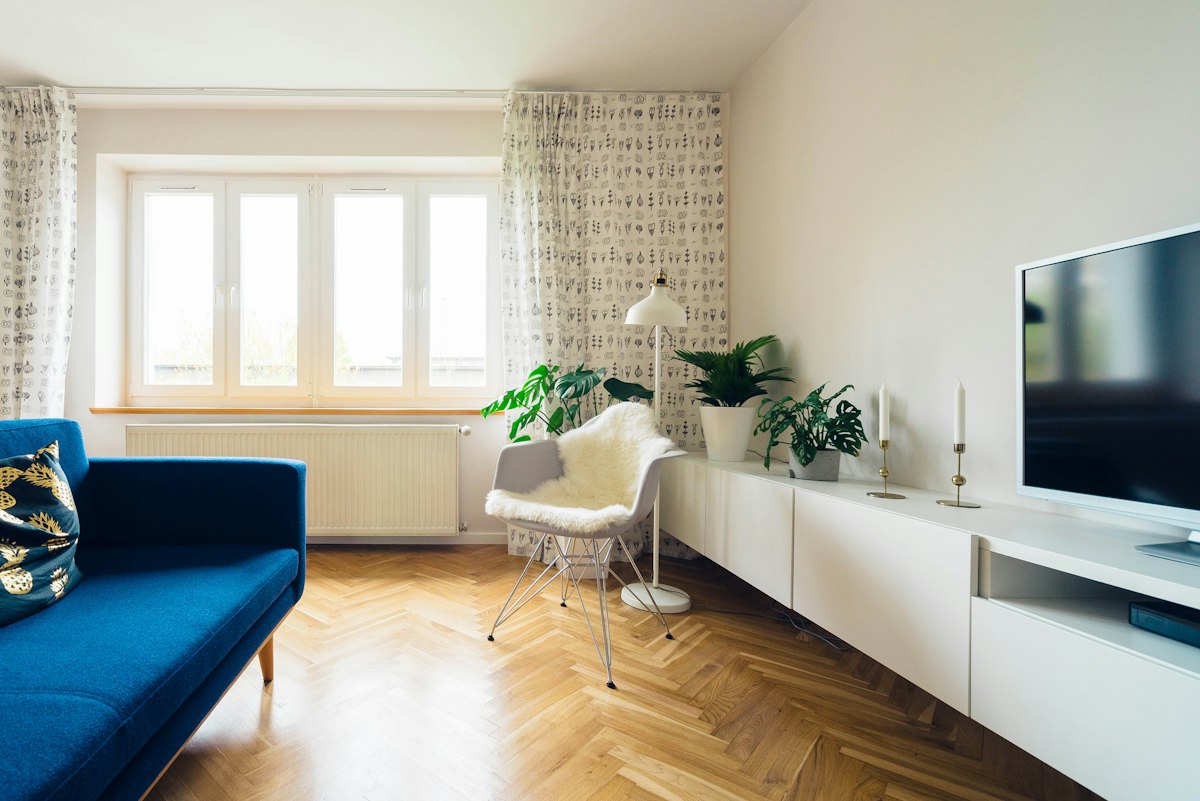
You've probably felt it already: scrolling through listing photos late at night, falling hard for a kitchen, mentally arranging furniture in a living room you've never actually stood in. Or the opposite — swiping past a house without a second thought because the photos looked dark and cramped. Here's the uncomfortable truth every first-time buyer needs to hear: listing photos are not lying exactly, but they are absolutely not showing you the whole story, and getting emotionally attached to (or dismissive of) a house based on them alone is one of the easiest ways to make a costly mistake.
It's Not Fraud, It's Just a Very Flattering Angle
Most real estate photographers aren't trying to deceive anyone — they're doing their job, which is making a home look as appealing as possible to as many buyers as possible. But "appealing" and "accurate" aren't always the same thing, and a few common techniques create a gap between what you see on your phone and what you'll actually find when you walk through the front door.
The Wide-Angle Lens Problem
The biggest culprit is the wide-angle lens, a near-universal tool in real estate photography. Wide-angle lenses capture more of a room in a single shot, which sounds purely helpful — you get to see the whole space at once instead of a narrow sliver. But that same lens also distorts proportions, making rooms look meaningfully larger and ceilings look meaningfully taller than they actually are. A bedroom that photographs as spacious and airy can turn out, in person, to barely fit a queen bed and a dresser.
There's no way to reliably "correct" for this distortion just by looking at a photo — the effect varies by lens, angle, and how aggressively the photographer chose to shoot the room. The only real fix is comparing the photographed impression against an actual measurement or an in-person visit.
Staging Changes the Emotional Read, Not the Bones
Professional staging is designed to do exactly one thing: make you feel something. Thoughtfully placed furniture, warm lighting, a bowl of fruit on the counter, a fire in the fireplace — all of it is engineered to trigger an emotional "I could live here" response. That's not inherently dishonest, but it's worth remembering that staging is decorating the feeling of a house, not disclosing its condition. A beautifully staged photo tells you nothing about the age of the roof, the state of the plumbing, or whether the walls are freshly painted to cover something worth asking about.
The reverse is just as true. An unstaged, poorly lit, cluttered listing can genuinely hide a wonderful house behind bad photography. Sellers who skip staging or hire an inexperienced photographer aren't necessarily selling a worse home — sometimes they're just selling a home that photographs worse, which is a very different thing.
What Photos Reliably Hide
A few things almost never come through clearly in listing photos, no matter how good the photographer is:
- Smell. No photo can tell you a house smells like a recent renovation, a pet, or, more seriously, mildew or smoke.
- Noise. A charming street view says nothing about the highway two blocks over or the neighbor's dog.
- True scale. As covered above, room sizes are almost always flattered by wide lenses and clever framing.
- Natural light at different times of day. A photo taken at golden hour tells you nothing about how dark that north-facing room feels at 8 a.m.
- Condition details. Worn flooring, hairline cracks, or dated fixtures are easy to photograph around or lightly retouch.
Why an In-Person or Live Video Tour Matters
Given all of this, the practical takeaway is simple: treat listing photos as a first filter, not a final verdict. Use them to narrow a long list down to homes worth a real look, but resist making an emotional commitment — good or bad — before you've either walked through the house yourself or, at minimum, had an agent walk you through it live over video, where you can ask them to pan slowly, stand in doorways for scale, and open a few cabinets.
A live video tour is a genuinely useful middle step if you're short on time or house hunting from a distance, because it removes the photographer's curated framing and lets you ask real-time questions: "Can you stand in that corner so I can see the actual room size?" or "Can you open a window so I can hear the street noise?" Static photos simply can't answer those questions.
A Few Practical Habits to Adopt
- Check the listed square footage and room dimensions rather than relying on how spacious a room looks in photos.
- Notice how many photos are wide-angle, ultra-bright, or oddly cropped — a listing with only a handful of flattering shots and no photos of certain rooms is often hiding something worth asking about.
- Don't cross a house off your list based on bad photography alone, especially in a slower-moving or lower-inventory area — call and ask a few questions, or request updated photos, before dismissing it entirely.
- Before falling in love, do at least one in-person or live video walkthrough, and pay attention to smell, light, noise, and how the rooms actually feel to stand in, not just how they looked on a screen.
- Resist making an offer based purely on photos, even in a fast-moving market — a rushed decision based on a flattering wide-angle shot is exactly how buyer's remorse starts.
The Bigger Lesson
Listing photos are a marketing tool, not a floor plan or a home inspection. That's not a criticism of anyone involved — it's just what they're designed to do. The buyers who avoid both the heartbreak of a house that doesn't match its photos and the missed opportunity of a great house with bad pictures are the ones who treat photos as an invitation to look closer, not as the final word. Let the photos get you curious. Let the in-person visit tell you the truth.
One friendly email a week with the next small step toward your first home.
Free. Cancel from any email, anytime. Includes clearly marked offers from our partners.
Keep going

Wire Fraud at Closing: How to Protect Your Down Payment From a Very Convincing Scam
Wire fraud specifically targets homebuyers at closing with spoofed "updated" wiring instructions. Here's how the scam works and the simple habit that protects your down payment.
Negotiating Repairs After Inspection Without Losing the House You Love
A long inspection report doesn't have to threaten your deal. Here's how to prioritize real issues, choose between a credit and a repair, and skip the small stuff.

The Quiet Mistake That Wears Buyers Out: Touring Homes With No List at All
Touring homes without a written must-have list leads to decision fatigue and impulsive offers. Here's how a simple list keeps your search clear-headed.