Does the Old Cash Envelope Method Still Work for a Down Payment Goal?
The cash envelope method is old-school, but its psychology still works. Here's an honest look at whether it fits a down payment goal, and a practical digital alternative.
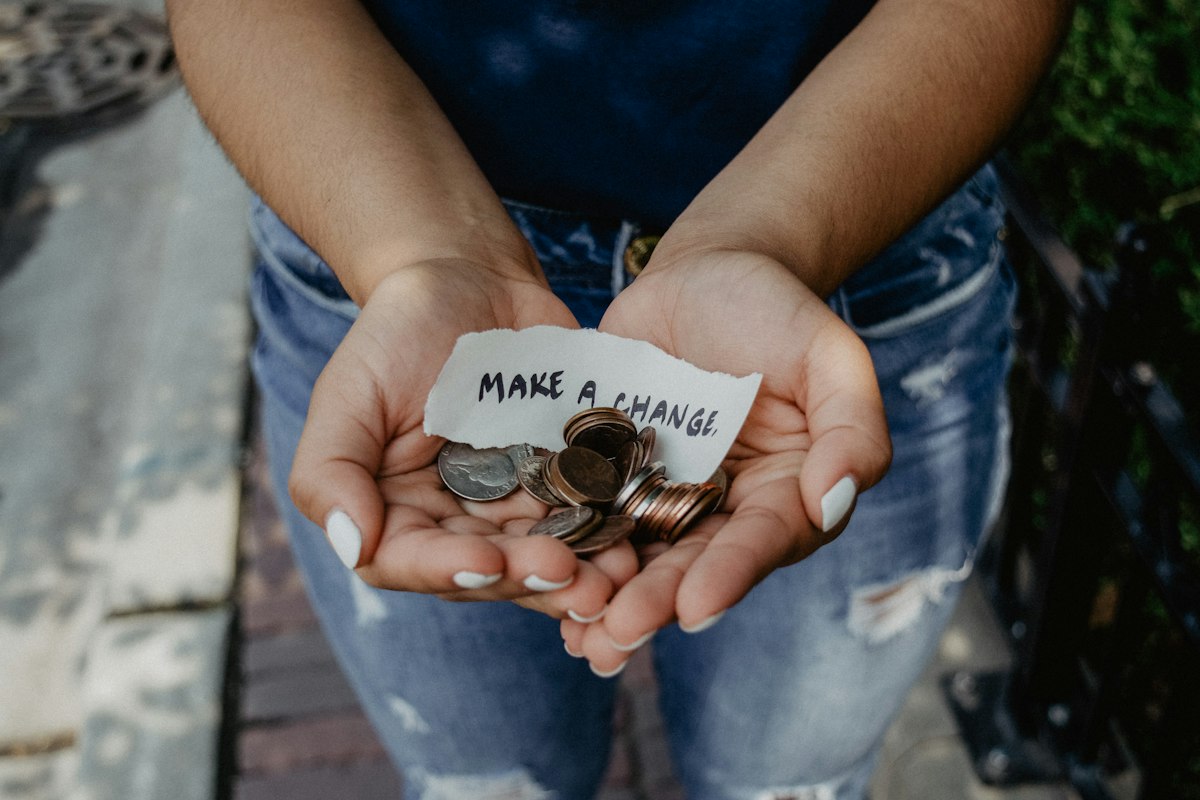
There's something almost nostalgic about the cash envelope method — you can picture a grandparent's kitchen drawer full of labeled envelopes for groceries, gas, and "emergencies." In an age of instant transfers and round-up savings apps, does that old-school approach have anything real to offer someone trying to save tens of thousands of dollars for a down payment? Let's look at it honestly, without either dismissing it as outdated or romanticizing it as a magic fix.
What the Envelope Method Actually Is
At its core, the envelope method is simple: you divide your budget into categories, put a fixed amount of cash into a labeled envelope for each one, and when an envelope is empty, you stop spending in that category until next payday. The appeal isn't complicated — cash is tangible in a way a number on a screen isn't. Handing over a physical bill to pay for something registers differently in your brain than tapping a card, and that friction is precisely the point.
For a down payment goal specifically, people often adapt this into a savings-focused version: a dedicated "down payment envelope" (physical or, more commonly today, a separate digital savings account) that a fixed amount goes into every payday, treated with the same untouchable status as rent.
Where It Genuinely Helps
The strongest case for an envelope-style approach isn't really about the down payment envelope itself — it's about what happens to your other spending categories once you start using it. A lot of people don't overspend because they're careless; they overspend because spending is invisible until the bank statement arrives. Physical or strictly-capped digital "envelopes" for groceries, dining out, and entertainment force a running, real-time awareness of how much is actually left, and that awareness alone changes behavior for a lot of people.
There's also a genuine psychological benefit to a big lump-sum goal like a down payment: watching a dedicated pile of cash (or a dedicated account balance) grow steadily is motivating in a way that a single number buried inside a larger checking account often isn't. Separation helps. When your down payment money is mixed in with your everyday spending money, it's much easier to quietly borrow from it "just this once" and never quite pay it back.
Where It Struggles
The honest downsides are real too. Carrying and storing physical cash for a goal that might take a year or two to reach raises obvious safety and practicality concerns — cash doesn't earn interest, isn't insured the way a bank deposit is, and can be lost, stolen, or simply misplaced. For a goal this large, sitting on stacks of cash in envelopes for months on end usually isn't the right vehicle even if the psychology behind it is sound.
There's also a modern logistics problem: a lot of your income and spending today happens digitally by default — direct deposit, card payments, autopay bills. Converting everything to physical cash to stuff into envelopes adds real friction and trips to the bank that many people, understandably, won't sustain for long.
The Practical Middle Ground
Most people who love the envelope method's psychology today actually run a digital version of it, and it captures most of the benefit without the downsides of physical cash. The idea translates directly: instead of a manila envelope, you open a separate, dedicated high-yield savings account that exists for one purpose only — your down payment — and nothing else ever touches it.
Many banks also let you create sub-accounts or "buckets" within one account, which lets you replicate the category-envelope idea for your everyday spending too: a capped digital "envelope" for dining out, one for entertainment, one for groceries, each with a visible running balance you check before you spend. You get the same real-time awareness and the same satisfying sense of a growing, separated pile of money — just without the risks of physical cash and while your down payment savings actually earns interest along the way.
Automating the Discipline Instead of Relying on Willpower
Here's the real upgrade a digital approach offers over the original method: automation. The classic envelope system depends on you manually dividing cash every payday, which takes discipline that's easy to lose on a tired Friday. An automatic transfer that moves a fixed amount into your down payment account the moment your paycheck lands removes that decision entirely — the money is gone from your "spendable" balance before you ever have the chance to talk yourself out of saving it.
A simple hybrid approach some buyers use:
- Set an automatic transfer to a dedicated down payment savings account on payday, before you touch anything else.
- Use spending "buckets" or a budgeting app's category limits for the categories where you tend to overspend, mimicking the envelope method's real-time awareness.
- Check your down payment balance regularly — the visible growth is genuinely motivating, the same way watching a physical envelope fill up would be.
- Keep a small amount of actual cash on hand only if you personally find that it curbs a specific spending habit, like impulse purchases, not as your main savings vehicle.
So, Does It Still Work?
The honest answer is: the psychology behind the envelope method still works remarkably well, but the literal cash-in-an-envelope mechanics are mostly outdated for a goal the size of a down payment. If physical envelopes genuinely help you feel more in control of your spending, there's no harm in using them for smaller day-to-day categories. But for the down payment itself, a dedicated, automated, interest-earning account captures everything that made the envelope method effective — visibility, separation, and a hard boundary against casual spending — while being safer and, frankly, a lot less effort to maintain over the months it takes to reach your goal.
Feeling good about this step? 🎉
When you're ready, the next stop is Step 4: Fund the down payment.
What readers said
No reader reactions yet. Be the first.
Leave a comment
We moderate before publishing — keep it on-topic and we'll get to it.
One friendly email a week with the next small step toward your first home.
Free. Cancel from any email, anytime. Includes clearly marked offers from our partners.
Keep going

Back-to-School Season and What It Means for Home Shoppers
As back-to-school season hits, the housing market quietly shifts. Here's what eases for buyers, what to watch for on timing, and how to budget for both.

Side Income Ideas First-Time Buyers Use to Speed Up Their Down Payment
When budgeting alone hits a floor, side income can speed things up. Realistic, low-drama ideas first-time buyers use to boost their down payment savings.

Buying Your First Home While Still Paying Off Student Loans
You don't need your student loans paid off to buy your first home. Here's how to build a realistic monthly budget that holds both goals at once.